A burning smell is one of the few heat pump problems worth shutting the system off for
Dust burning off can clear on its own in a few minutes. A smell that lingers, or smoke, means the system should stay off until a technician looks at it.
The right pro for this job
A burning smell from a heat pump usually points to something electrical, dust burning off a coil, or a motor working harder than it should. In Texas heat, that system runs hard for months, so a smell that's new is worth paying attention to. This page gets into what's likely causing it and what a local contractor who works on these units would check first.
Find my proA burning smell from your heat pump usually means one of a few things. Dust and lint can collect on the electric heat strips or the indoor coil and singe when the system kicks on, especially if it has sat unused for a while. A motor bearing or capacitor can overheat and give off a hot, electrical smell as it starts to fail. Wiring at the contactor or circuit board can also burn, and that smell tends to be sharper, more like melted plastic. In Texas, your heat pump runs almost year round between cooling and backup heat, so parts wear faster than they would somewhere milder. A faint dusty smell for a few minutes after it's been off is normal. A smell that lingers, gets stronger, or smells like plastic or something electrical means you should shut the system off and have it looked at before running it again.


Dust burning off can clear on its own in a few minutes. A smell that lingers, or smoke, means the system should stay off until a technician looks at it.
In Texas, the same unit cools your house most of the year and still handles the occasional cold snap. A wiring or motor problem can show up in either mode.




A heat pump is really two systems sharing one cabinet, and most burning smells trace back to a specific part doing a specific job. The electric heat strips only come on when the outdoor unit can't pull enough heat from the cold air, so a smell that only shows up on the coldest mornings points there first. Flip over to cooling, and the reversing valve is what makes that switch possible. When it starts to fail, the compressor has to work harder than it's built for, and heat is the result. Inside the air handler, a blower motor keeps air moving across the coil or the heat strips. If a bearing in that motor wears down, the motor can scorch its own windings from the inside. Outside, the contactor feeds power to the compressor and fan every time the system cycles on. Pitted contacts inside it arc, and that arcing has its own burnt smell. A weak capacitor adds to this by forcing the motors to pull more current than the wiring was sized to carry.
A burning smell rarely stays a small problem if you leave it alone. What starts as dust singeing on a heat strip or coil can, over a few days of continued running, move into the wiring itself. Once wiring is scorched, you're no longer looking at cleaning a part, you're looking at replacing it, and possibly the parts around it too. The same goes for a capacitor or relay on its way out. Those parts are cheap next to what happens if they fail completely and take the compressor with them. A seized compressor doesn't get repaired, it gets replaced, and that's the most expensive part in the whole system. If the breaker starts tripping because a part is overheating, that's the system telling you it's under strain, and a system under strain burns more power to do the same job, so your bill climbs even before anything fails outright. In Texas, the stakes are higher because of what you lose when the system finally quits. A heat pump that dies in July or August doesn't just lose you comfort, it leaves your home without a way to cool down, and that's not something you want to be arranging a repair around after the fact. The smell itself is a warning you can still act on. Left running long enough, the same conditions that cause a burning smell can also cause a breaker fire, particularly in a system that has already been running hard for months without issue.
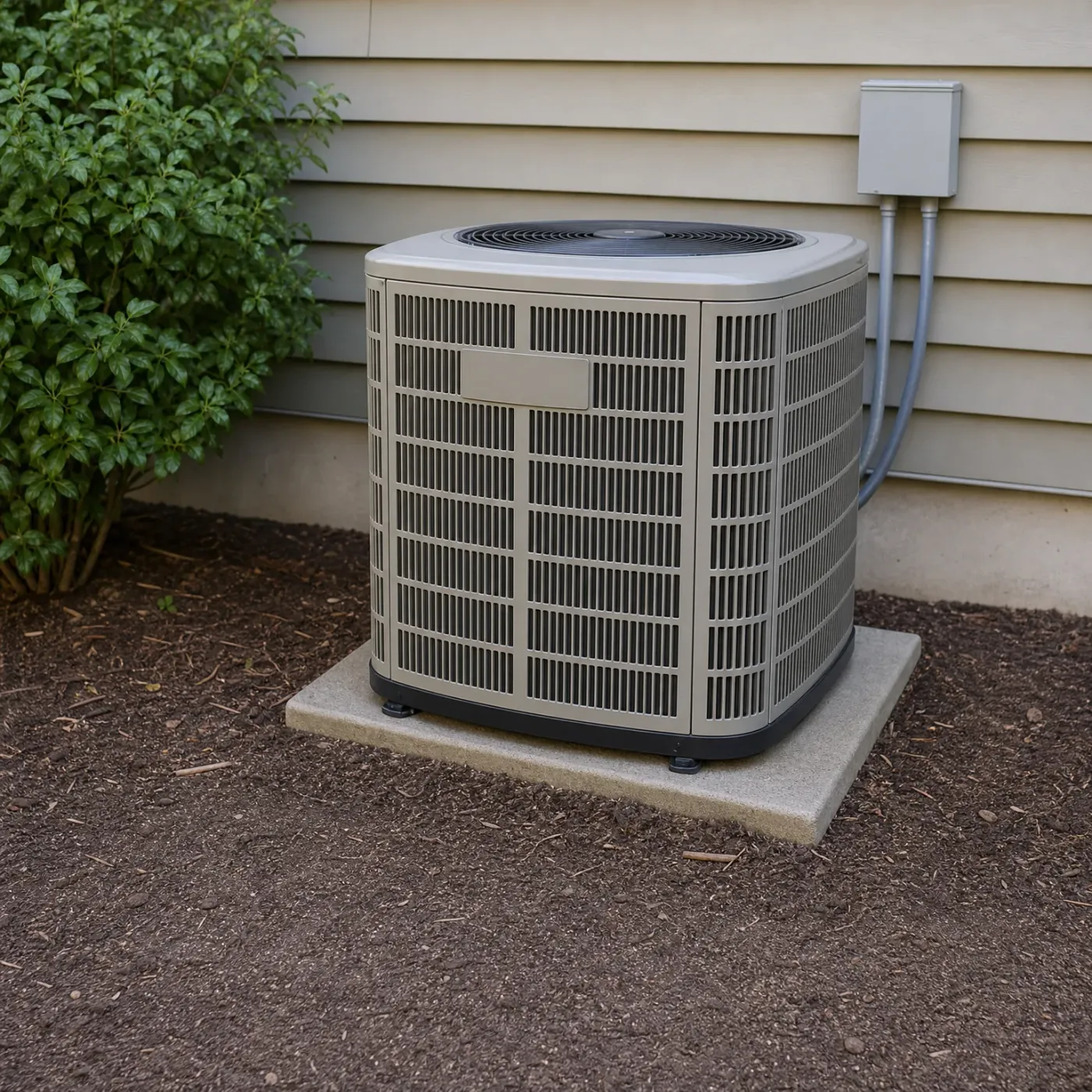
A heat pump that smells like burning is not something to sit with for a few days to see if it clears up. Texas summers push these systems hard, and a motor or capacitor already under strain does not get better on its own. Someone who works on heat pumps in this state every season has seen what dust buildup on a coil looks like versus what a failing relay looks like, and knows which one means shutting the system down now. Getting matched means one licensed contractor local to you takes on your situation, not a handful of companies competing for the job. They can look at your specific unit, tell you what's actually burning, and get it handled before a small electrical issue turns into a compressor that won't start. Your heat pump is still running. What it needs next is someone who knows this equipment to take a look.
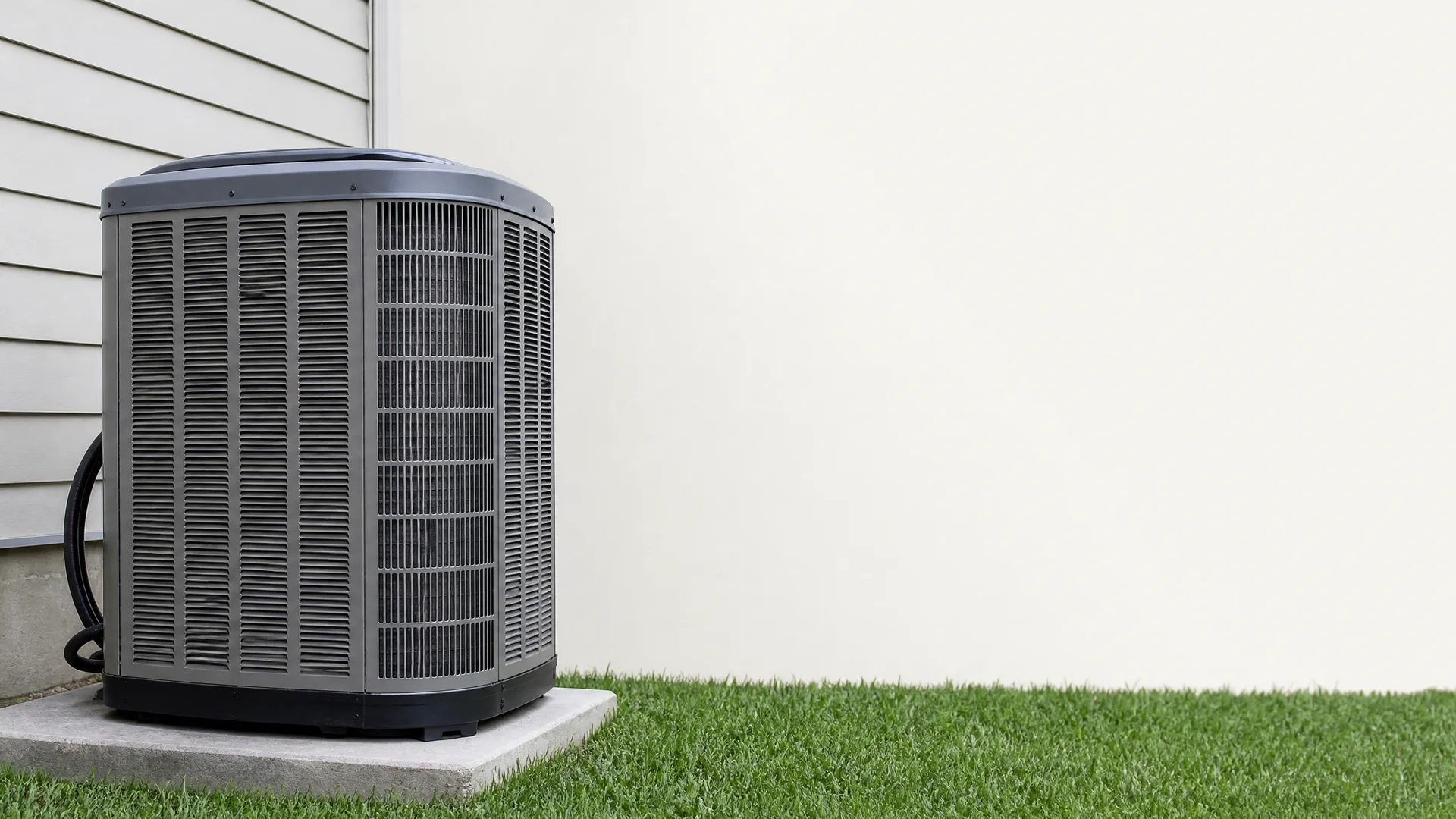
Keep the heat pump going after a burning smell shows up and you're betting the smell is nothing. If it's a motor bearing or a relay starting to fail, continued run time is what pushes it from worn to broken. The blower keeps turning, the compressor keeps cycling, and whatever is heating up keeps heating up. A tech who looks at it a week later is often looking at a part that would have been fine if the system had been shut off sooner.
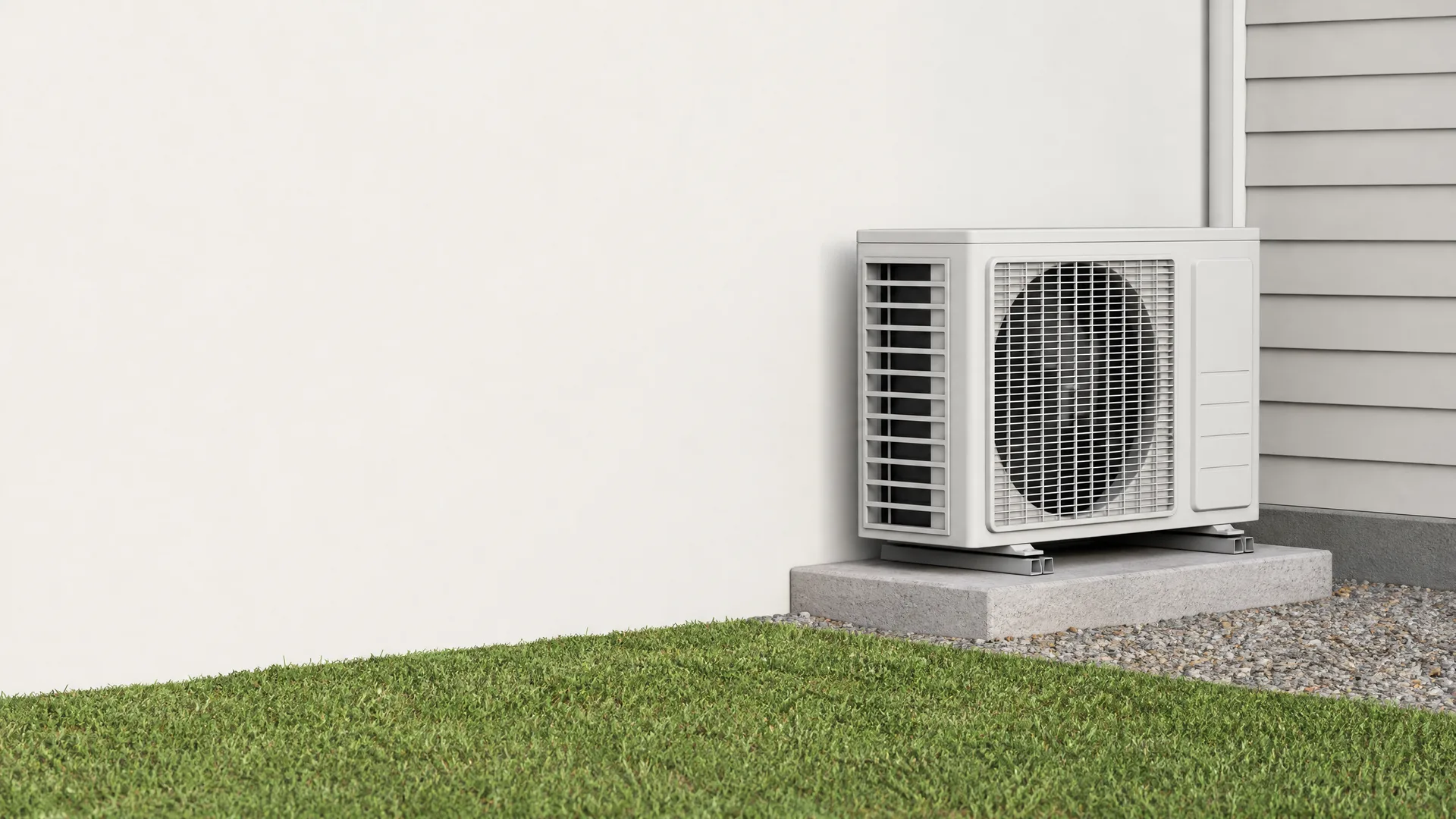
Switch the system off at the thermostat or the disconnect and the strain stops right there. Nothing gets hotter, nothing keeps grinding. A local contractor who works on heat pumps through the Texas summer can tell from the smell and where it's strongest whether it's dust, a strip, or something electrical, and get to the house before a small part failure turns into a no-heat, no-air call.
At 15.40 cents per kilowatt-hour, electric heat strips running overtime behind a burning smell add up fast on your bill. A repair that clears the smell and gets the heat pump back to running on the compressor, not backup strips, is worth getting to quickly.
EIA-861 2025 statewide residential average
A technician cuts power to the unit before touching anything.
The disconnect box and panel come off for a visual check.
Heat strips, contactor, and capacitor get checked for scorching.
The blower motor and bearings get tested under load.
You might notice it right when the system kicks on, a hot, dusty smell from the vents that fades after a few minutes. Or it lingers, sharper, more like scorched plastic or hot metal, maybe with the blower sounding strained or cycling oddly. You might catch it more on cold mornings, when the heat strips are doing the work. If this is new, and it doesn't clear fast, something is overheating that shouldn't be. Left alone, a strained motor or a failing part under electrical load can go from a smell to a system that stops heating your house at all, right when you need it.

Summer air here holds a dew point around 68°F, based on averages across where Texas homes sit. That's heavy, damp air for a heat pump to pull moisture out of, and it means the system is running long stretches to keep up, not just on the hottest afternoons but most days all summer. That kind of runtime keeps the motor and compressor under steady load for months, and dust that's gathered on the coil or heat strips gets more chances to singe as the system cycles on and off. A burning smell showing up now, with the system leaning on it this hard, is not a coincidence.
NASA POWER T2MDEW county cells weighted by homes

A heat pump doesn't start smelling like that for no reason. It's dust on the strips, a motor under strain, or a part that's starting to fail, and running the system doesn't make that answer change, it just gives the problem more time to get worse. Shutting it off and having someone check it is what settles the question.
A technician who works on heat pumps through Texas summers has seen this smell come from a dozen different units and knows which parts to check first and in what order. Getting matched with one who's licensed and local means one person looking at your system, not several companies calling about it. You'll know what's wrong, and you'll know what it takes to fix it.

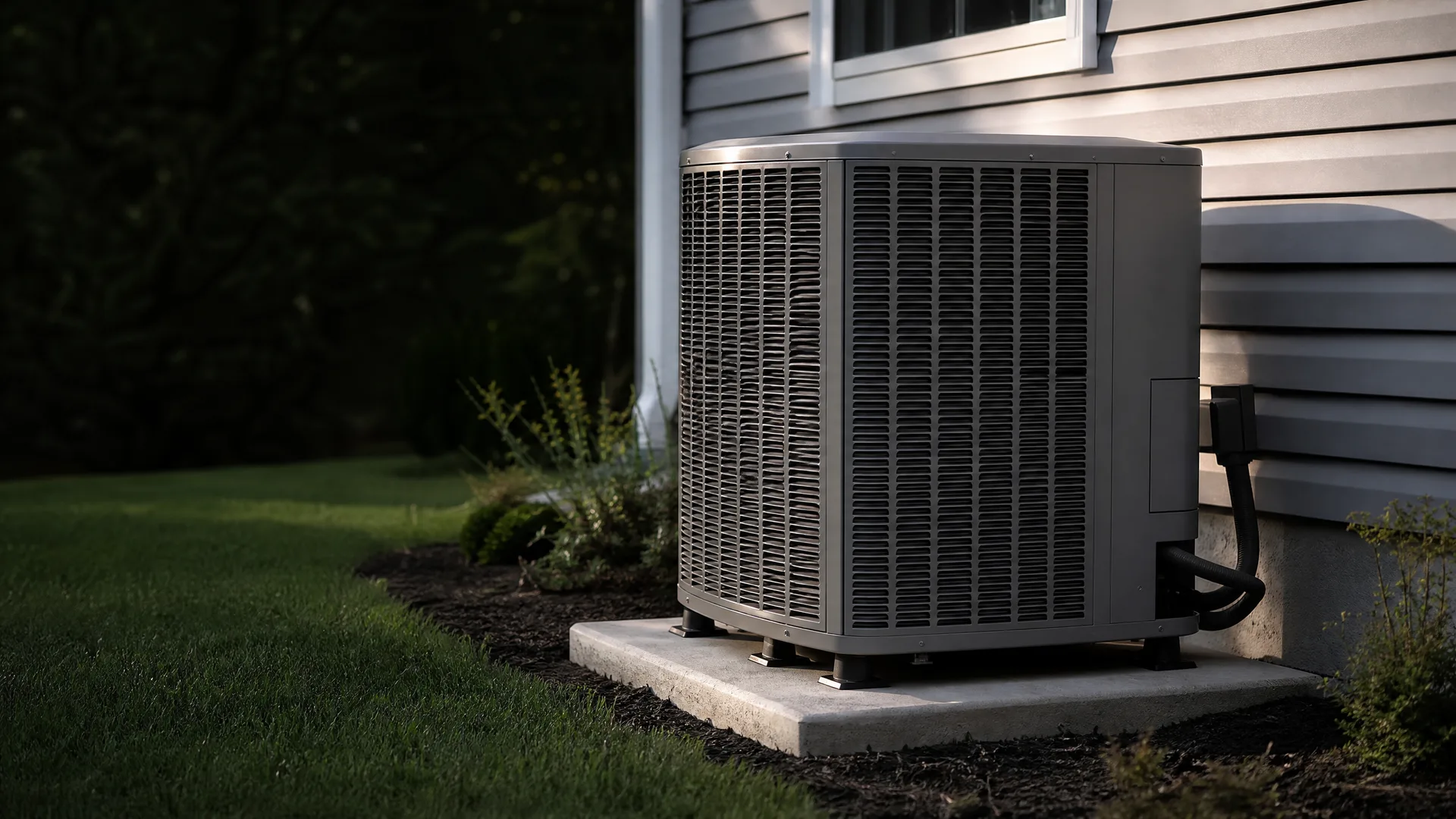
A local pro for your heat pump repair