One clogged line, one wet floor
Algae and dust narrow the condensate line until water backs up and spills from the drain pan instead of running outside.

Water dripping from your indoor unit usually means condensate is backing up instead of draining outside. Your heat pump pulls moisture out of the air every time it runs, and in Texas humidity that's a lot of water, especially through the long summer. That water is supposed to flow down a condensate line to a drain outside. When the line clogs with algae and dirt, or the drain pan cracks, or the condensate pump fails, the water has nowhere to go but back into your house. A frozen coil can cause the same thing: ice builds up on the coil during a stretch of hard running, then melts all at once and overwhelms the pan. Either way, the leak itself isn't the real problem. It's a sign the system can't move water the way it's supposed to, and left alone it can mean a warped floor, a stained ceiling, or a unit that shuts itself off to protect against water damage.




Algae and dust narrow the condensate line until water backs up and spills from the drain pan instead of running outside.
Get matched with a contractor who handles heat pump repairs near you, instead of calling around and re-explaining the leak each time.
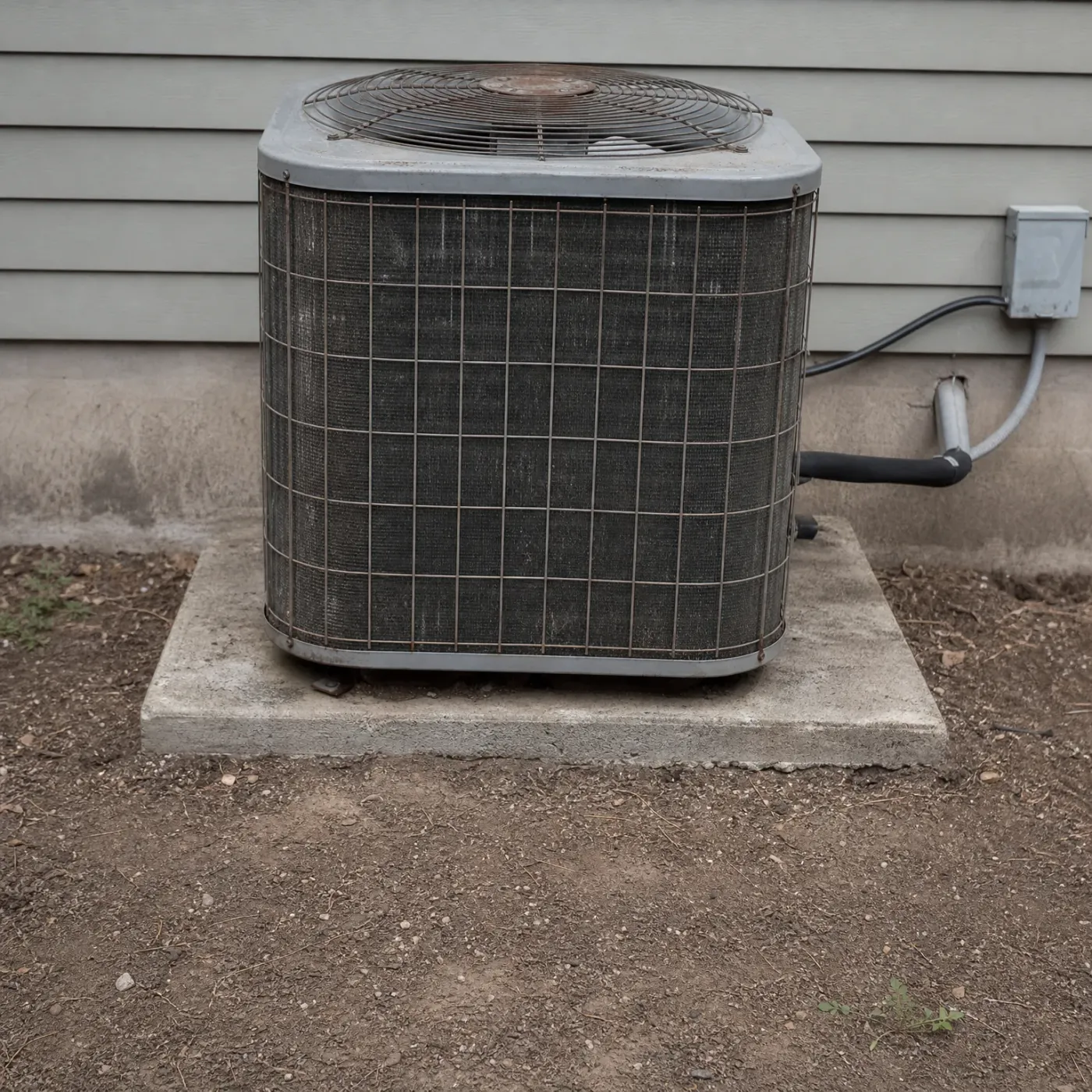
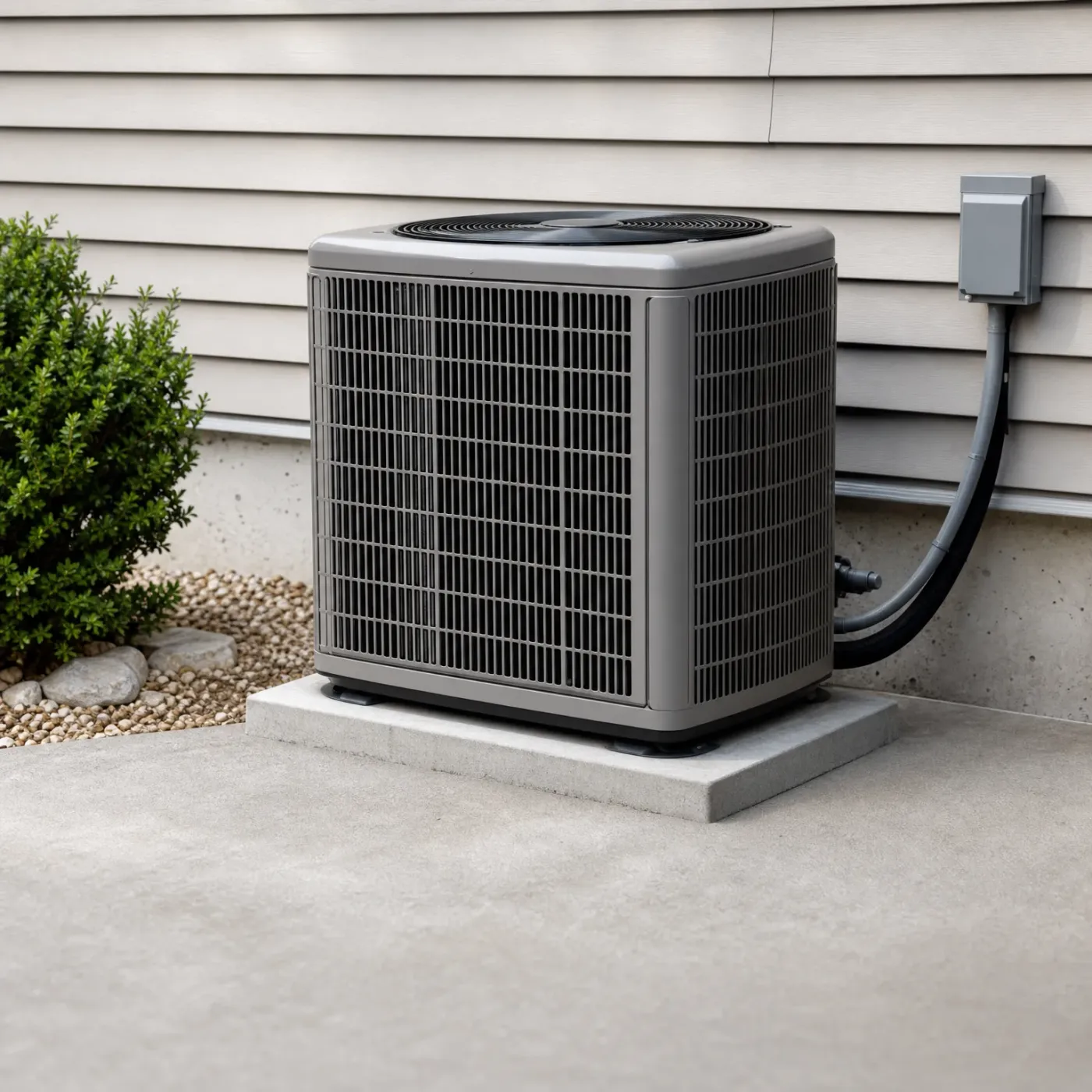
Your heat pump cools by running warm air over a cold coil. The moisture in that air has to go somewhere, and it lands as water on the coil itself. From there it drips into a pan, then leaves through a line that's supposed to carry it outside and away from the unit. That line has to tilt down the entire way. Let algae build up inside it or let one section sag, and the water backs up with nowhere else to go. Most systems have a float switch sitting in that pan or line, and once water rises past a certain point, it shuts the whole unit down rather than let it keep overflowing. There's usually a second pan underneath the first one too, there as a backup in case the main pan fills, so water doesn't reach your ceiling or floor. None of this changes through the year, but what the coil pulls out of the air does. Texas summers push far more moisture through that coil than a mild month does, so a clog that would take weeks to matter in spring shows up as a puddle in July.


Water shows up on the floor or ceiling near the indoor unit, or you'll see a stain spreading on drywall below it if the unit sits in an attic. Some homes have a float switch that shuts the system off the moment the pan fills, so instead of a leak you just get a heat pump that stops cooling on a hot afternoon. Either way it's usually not sudden. The line narrows gradually until the water has nowhere else to go but out.
Left alone, the water that backs up can soak subfloor, stain ceilings, and warp cabinets or baseboards near the unit. If a float switch isn't there to cut power first, the system keeps running and pulling moisture out of the air it can't drain, so the mess keeps growing instead of stopping on its own. In a Texas summer, with the unit running for hours most days, a slow drip can turn into real water damage well before winter gives it a break.
At 15.40 cents per kilowatt-hour, a heat pump that's losing water instead of draining it right is still pulling full power to run. A clogged line doesn't make the unit work less, so letting it sit backed up just means paying the same bill without fixing anything.
EIA-861 2025 statewide residential average

You wake up a little past two, the sheets stuck damp against your back. The window unit hum is steady but the air in the room feels thick, like it hasn't moved all night. You reach down and your hand finds the carpet wet beside the nightstand, a dark ring spreading toward the closet. The ceiling above has a faint yellow-brown stain you didn't notice when you went to bed. Outside the glass has fogged over at the corners, August pressing against it. You sit up, feel for a dry patch of sheet, and listen to the unit still running in the next room, same as always.
A clogged condensate line doesn't clear itself. Left alone, it keeps backing up every time the system runs, and in Texas that's most days of the year. Meanwhile the water finds drywall, subfloor, or the ceiling below if your unit's in the attic, and that damage keeps spreading the longer the drain stays blocked. You could spend an afternoon calling around, explaining the same leak to every contractor who picks up, then sit with a stack of quotes trying to tell a fair price from a padded one. Or you could hand that off. Send the request once and a contractor who handles heat pump repairs reaches out to you. No more tracking down who's available, no more repeating yourself on the phone. The leak itself still needs a tech to look at the line, the pan, and the switch, but finding the right one to call doesn't have to take up your afternoon.
Your heat pump makes water every time it runs in cooling mode. Air moves across the evaporator coil, the coil is cold, and moisture in that air turns to water on the coil's surface the same way it beads on a cold glass. That water has to go somewhere, so it drips into a pan underneath the coil and leaves through the condensate line to a drain outside. Every part in that path has one job, and if any one of them fails, the water backs up instead of draining.
The line itself is the usual point of failure. Algae builds up along the inside walls the same way it would in any damp, dark tube that sits wet for months at a time, and in Texas the system runs long enough each year for that buildup to matter. A flat or sagging stretch of line makes it worse, since water sits there instead of moving along, which gives algae more time to grow in one spot.
The pan and the switch are the backup plan. A float switch sits in the pan and cuts power to the unit once water rises past a set point, which is why the system sometimes shuts off instead of leaking. But pans rust through after enough years of sitting wet, and a pan with a hole sends water to the floor no matter what the switch does. Some lines also have a vacuum breaker or trap built in to keep water moving evenly, and when that part fails, you'll hear gurgling before you see any water at all.
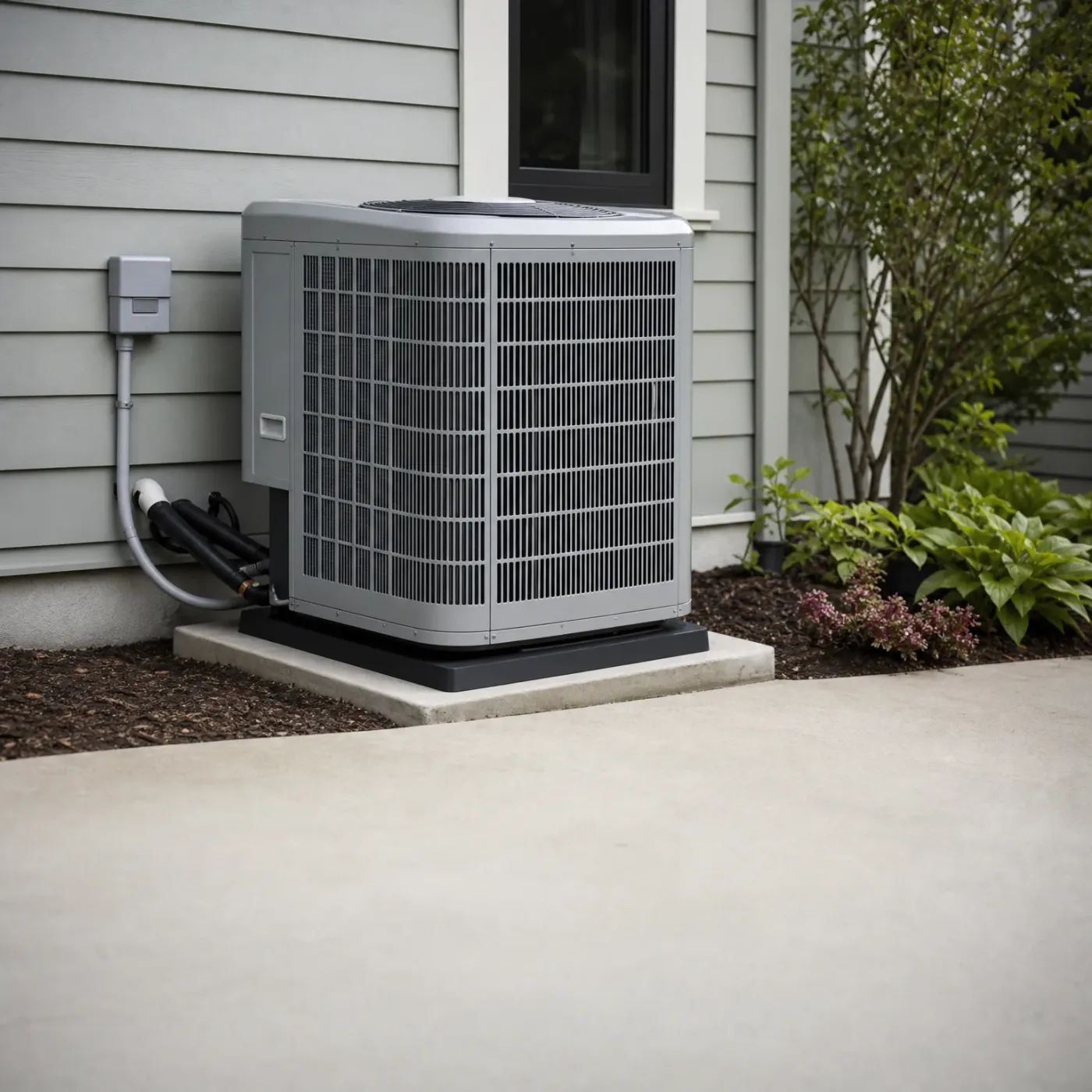
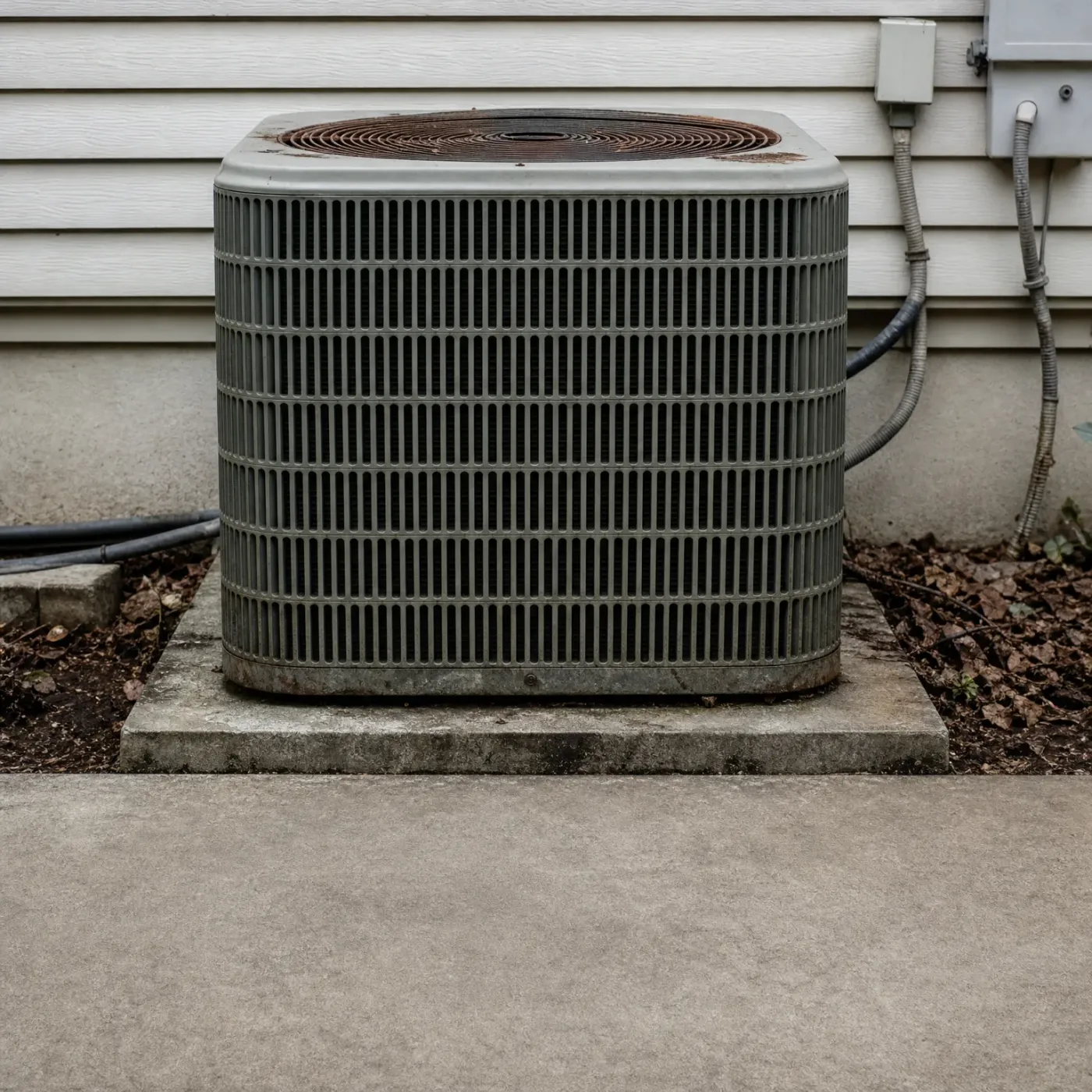

A summer dew point averaging 68°F across Texas, per NOAA, is the kind of heavy you feel the second you step outside. Your heat pump has to pull that much more moisture out of the air just to keep the house comfortable, which means more condensate running through that line all summer long. More water moving through means more chances for algae to build up and narrow the path it has to travel. If the line's already partway clogged, this is the stretch of weather that pushes it the rest of the way to backing up.
NASA POWER T2MDEW county cells weighted by homes
Look under the indoor unit for a damp patch on the floor, a soft spot in the carpet, or a ring forming on the ceiling below if the unit sits in your attic. Check the drain pan for standing water or rust along its edges. If the system has shut off on its own with the house still warm, a float switch likely tripped because the pan filled up. None of that clears on its own. Left alone, water collects with every cycle and works into subfloor, drywall, or the ceiling underneath, and that kind of damage spreads quietly before you see it on the surface.
Air passes over the cold evaporator coil and moisture collects on it
Water drips off the coil into the condensate pan below
Algae and dust narrow the drain line until water can't pass through
The pan fills and either overflows or trips the float switch

Water on the floor or a stain on the ceiling under your heat pump means the drain line is blocked and has to be cleared before it drains right again. That's the whole answer. The line doesn't open itself back up, and running the system longer doesn't help, it just gives the pan more water to deal with.
Finding a contractor who works on heat pumps, calling around, and explaining the same leak three different times takes real time you'd rather spend elsewhere, especially with people at home counting on the house staying comfortable. Get matched with a contractor who handles this kind of repair in your area, and they'll reach out to you directly. No more searching, no more repeating yourself.






Explain the job once and skip repeating it on every call.
You're not committing to anything by asking.