Why your heat pump is blowing lukewarm air in Texas
Describe your heat pump job, and a local pro who handles it gets in touch.
Lukewarm air from a heat pump in a Texas summer usually means the system is running but not doing its job. The blower moves air, but something upstream of it isn't adding heat or cooling the way it should, and in your house that shows up fast because the unit runs so much of the year.
A few things can cause this. Low refrigerant charge is common. A failing reversing valve can leave the system stuck between modes. A dirty outdoor coil blocks the heat exchange the whole system depends on. Each of these needs a different fix, and guessing wrong means paying for a repair that doesn't solve it.
This isn't something to diagnose by feel. A tech with gauges and the right tools can tell you in minutes whether it's the charge, the valve, the coil, or something electrical, and tell you what that specific repair runs.
What matters most right now is getting someone out who works on heat pumps regularly, not just standard AC units. Heat pumps have parts and failure points a straight air conditioner doesn't have, and a contractor who knows the difference will get to the right answer faster.
When you fill out the form on this page, the search for that contractor stops being your problem. You'll be matched with someone who services heat pumps in your area, and they'll reach out to you directly. No more calling around, no more wondering if the person on the other end actually knows this equipment. That part is handled.
Texas summers don't leave much room for a system that's only half working. The sooner the actual cause gets found, the sooner your house is cool again. The rest of this page walks through what's likely going on and what to expect, but the fastest path to an answer is the one that ends with a qualified tech standing in front of your unit.
Why is my heat pump blowing lukewarm air?
You turn on the system expecting cold air and get something closer to room temperature. In Texas, where summer heat sets in for months at a time, that difference is easy to feel within minutes of standing near a vent. You're not imagining it, and it usually isn't something that will fix itself by waiting another day. It points to a specific part of the system not doing its job.
A low refrigerant charge or a failing compressor is the most likely cause
A heat pump cools by moving refrigerant through a cycle, and if the charge is low from a leak, it can't absorb enough heat from the air passing over the indoor coil. The air coming out feels warm instead of cold because less heat is being pulled out of it. A failing compressor causes the same result since it's what moves the refrigerant through that cycle in the first place. Either problem means the system keeps running without doing the part of the job that actually cools the air. In Texas summers, that gap is obvious fast, since the indoor temperature climbs again almost as soon as the air stops feeling cold.
NOAA puts the summer dew point here at an average of 68°F across June, July and August. That's heavy air, and your heat pump has to pull real moisture out of it before the house feels right, not just drop the temperature a few degrees. When something inside is off, whether that's a low refrigerant charge or a dirty coil, the system keeps running but loses the capacity to do that job, and the air coming out feels wet and lukewarm instead of cold and dry. You'll notice it most on the muggiest afternoons, when the air near the vents feels damp even with the system running nonstop. Once you send in your information, you're done chasing down who can look at it. A contractor who covers your area gets your details and reaches out to you directly.
Once you send the form, finding a pro is off your list.
Sending the form costs nothing.
Before you get your heat pump repairAfter you get your heat pump repair
Power costs 15.40 cents per kilowatt-hour statewide
At 15.40 cents per kilowatt-hour, a heat pump stuck on lukewarm still draws power the whole time it runs, just without the cooling to show for it. Your bill climbs while the house stays warm, which is the clearest sign something's wrong upstream of the blower.
EIA-861 2025 statewide residential average
Running the way it should
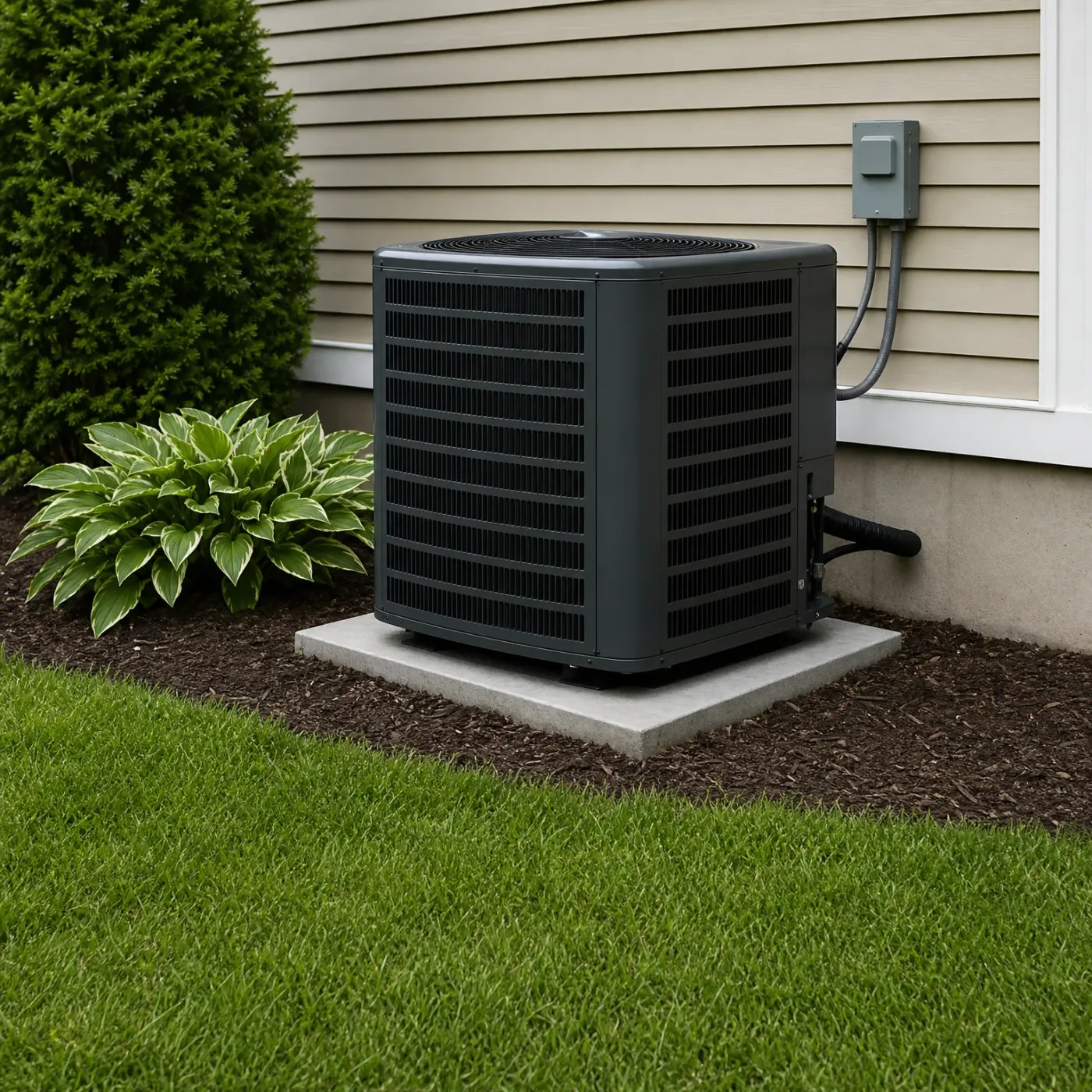
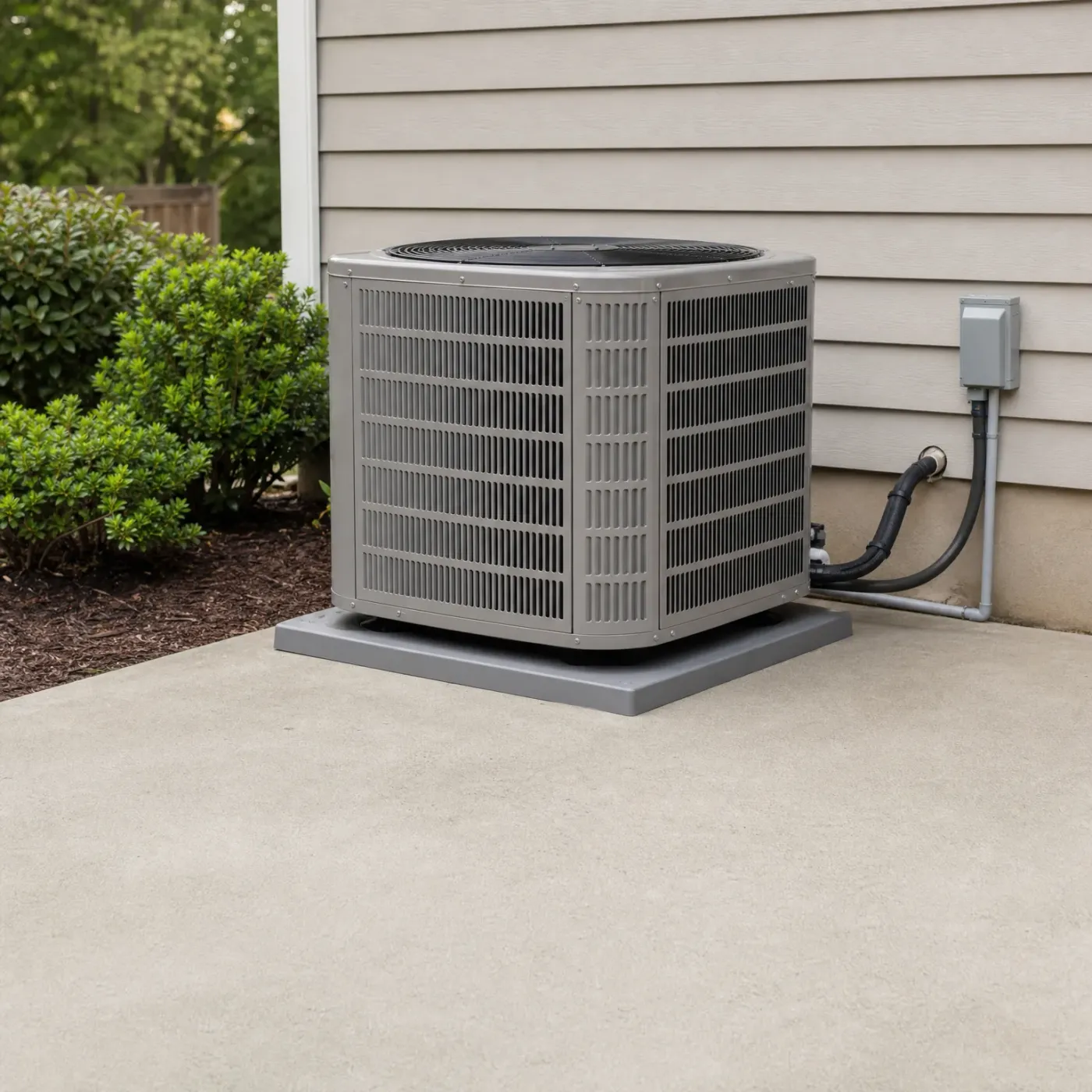
A clean outdoor unit with clear airflow around the coil and grille can move heat the way it's built to, pulling warm air out of the house and sending cold air through the vents. The refrigerant lines and disconnect box show no corrosion or loose connections.
Signs something's wrong
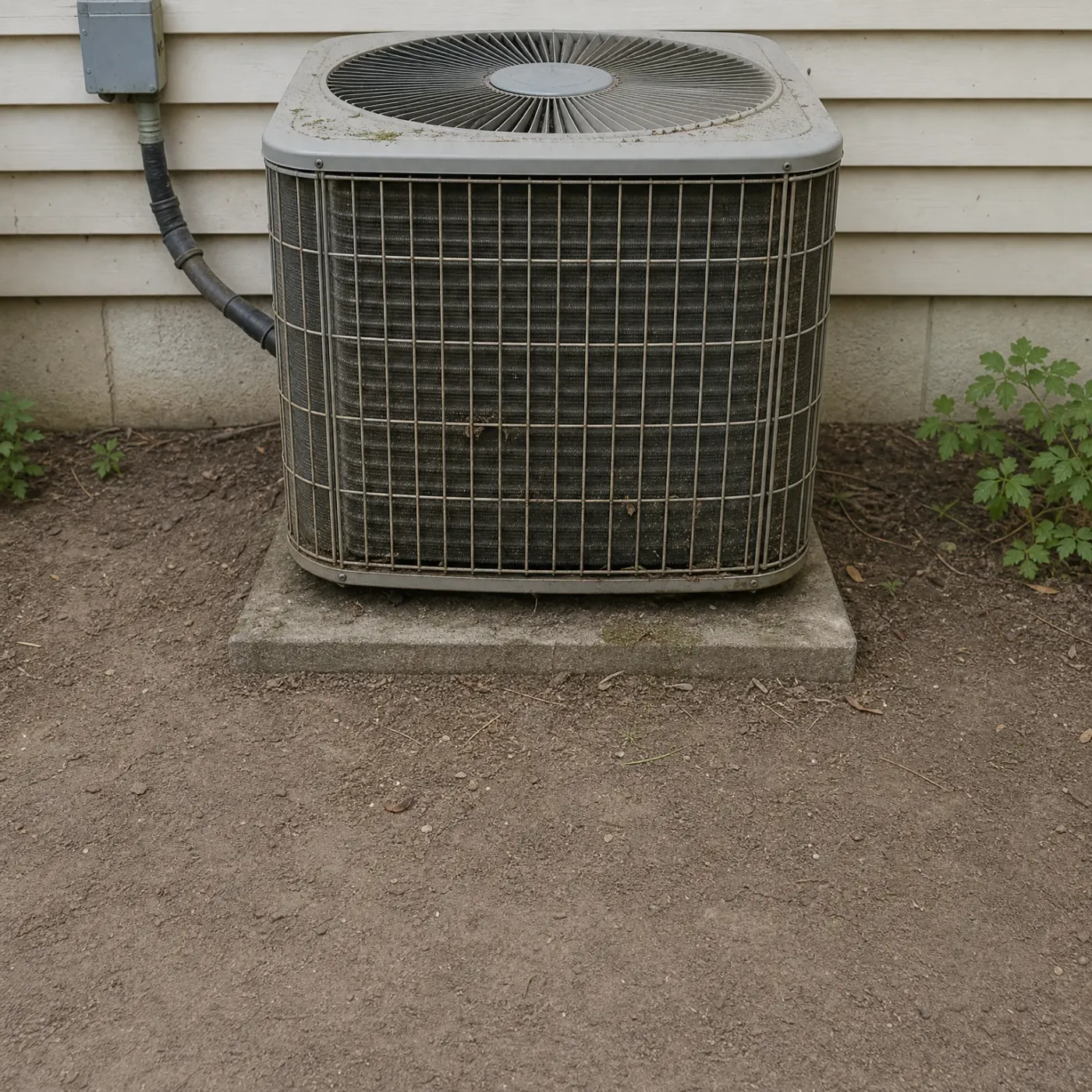
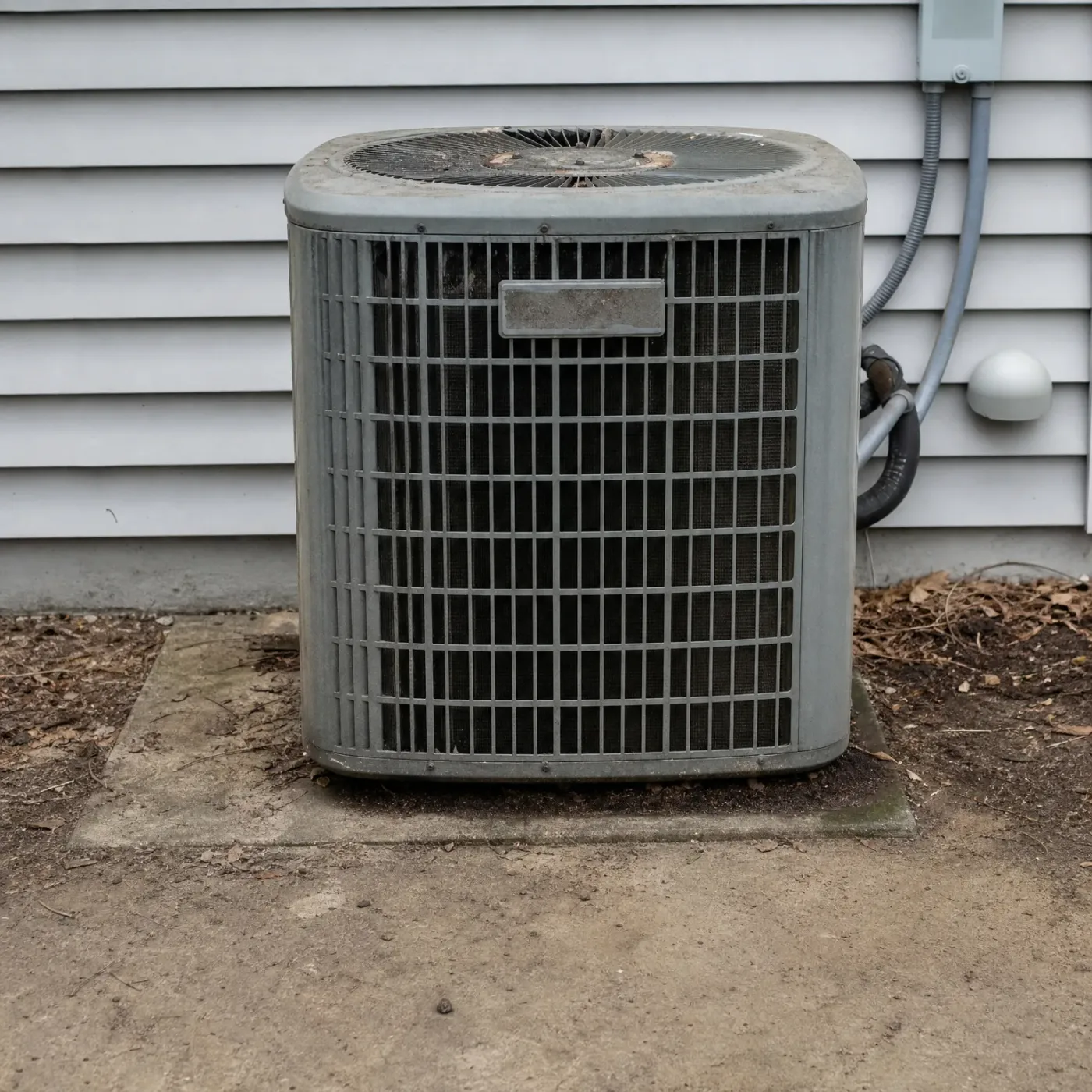
Dust caked on the grille and top panel blocks airflow across the coil, so the unit can't shed heat the way it needs to. Leaves piled against the base trap moisture against the cabinet. A unit left like this is often the one blowing lukewarm air inside.
Lukewarm air from a heat pump almost always traces back to something specific: a low refrigerant charge, a failing reversing valve, a dirty outdoor coil, or a compressor that's given out. A tech can narrow that down fast once they're looking at the unit directly. In a Texas summer, with the dew point working against you and the bill climbing the longer it runs stuck, that's not something to sit on. Once you send the form, you're done hunting for a contractor. Someone who handles heat pump repair gets matched to your situation and reaches out to you directly, so you're not the one calling around or waiting on hold. The house gets back to actually cooling, and pulling the moisture out of the air the way it's supposed to, without you having to track down who can do it.
Heat Pump Repair
Get the right pro for your heat pump
Step 1 of 3: Equipment
Tell a local repair pro what your heat pump is doing.
Send the request today and stop worrying about who to call.
Send the request and finding a pro stops being your problem.
Answer a few questions instead of calling shop after shop.
Describe your heat pump job once, to one pro.
Your request goes to one pro, not a list of companies.