
Running normally
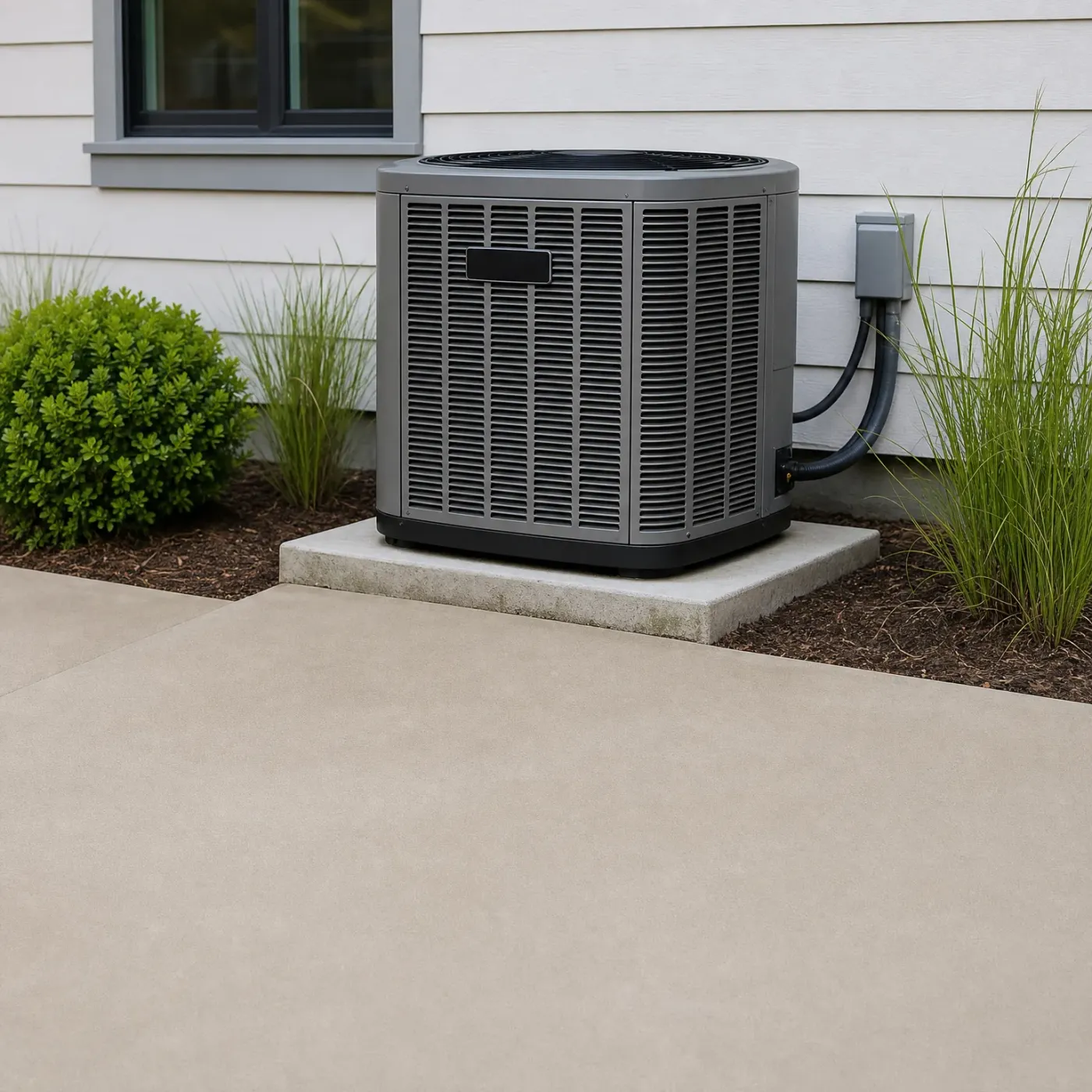
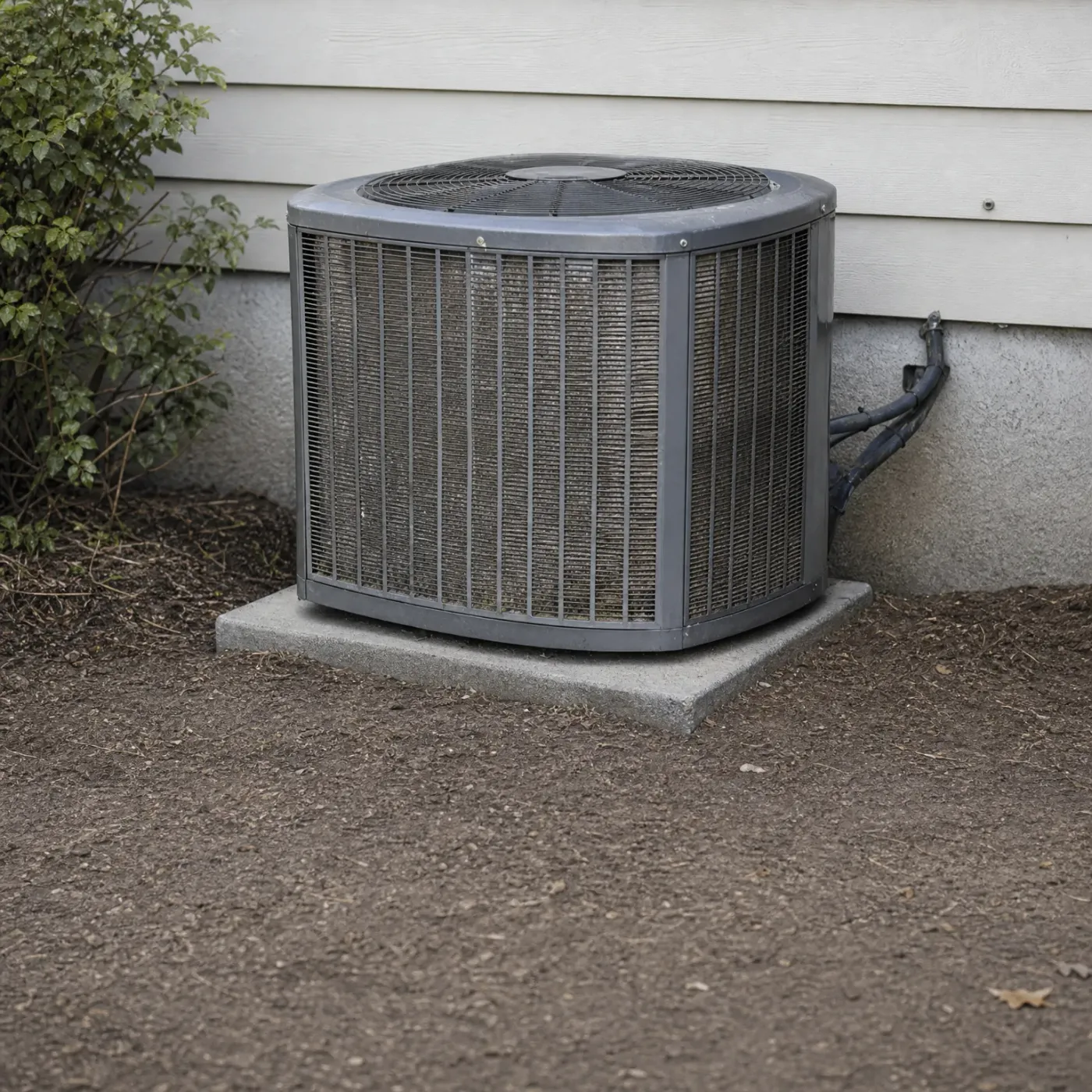
The unit cycles on as the temperature drops and shuts off once the house reaches the thermostat setting. You'll hear it start, run steady for a stretch, then go quiet. The lines stay clear and the pad underneath is dry.
A heat pump in a Texas winter should run in long, steady stretches, not short bursts. On a cold morning it might run for an hour or more at a time, and on the coldest nights it can run almost nonstop. That's normal. A heat pump moves heat instead of burning gas to make it, so it works slower and steadier than a furnace, especially when the outdoor temperature drops into the 30s or lower. Short cycling, where it kicks on for a few minutes and shuts off again, is the pattern that signals a problem, not the long runs. If your system is short cycling, or running constantly without warming the house, something is off, whether that's low refrigerant, a failing part, or a thermostat issue. Since most homes here heat with electricity, a heat pump that's working harder than it should shows up fast on the power bill.




The unit cycles on as the temperature drops and shuts off once the house reaches the thermostat setting. You'll hear it start, run steady for a stretch, then go quiet. The lines stay clear and the pad underneath is dry.
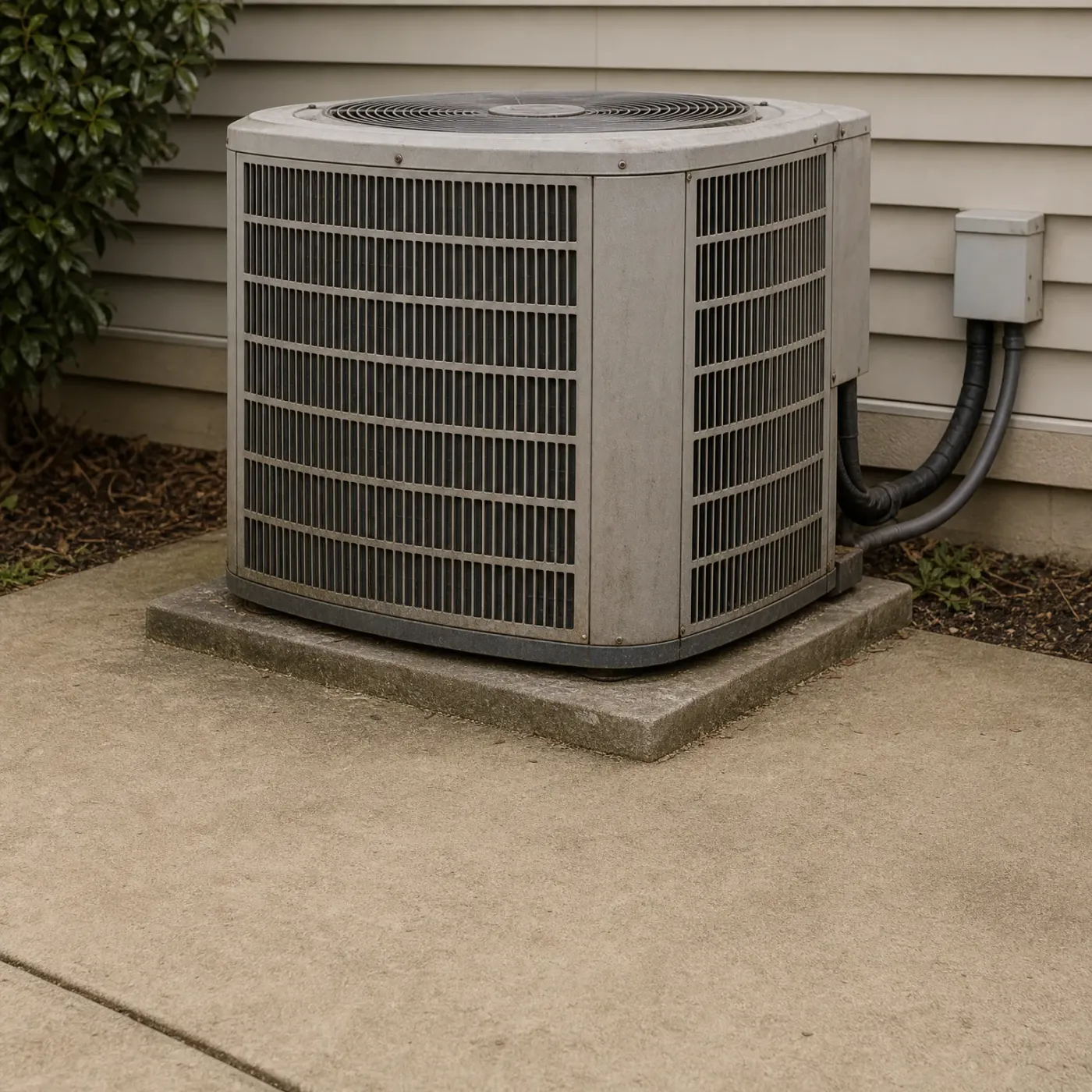
The unit runs but the house never quite reaches the set temperature, or it shuts off and restarts every few minutes instead of holding a steady cycle. Ice on the lines or the cabinet, or a hissing sound near the disconnect box, means it's time for a technician to look at it.

A heat pump that runs long stretches on a cold morning is doing what it's built to do, and your electric bill will reflect that. Since most homes here heat with electricity, the heat pump is carrying the full load, and a January cold snap shows up on the meter. That's different from a unit that runs long because it's struggling, one that's low on charge or fighting a dirty coil. The second kind costs you the same long runtime and still leaves rooms that don't quite warm up.
If you've noticed rooms staying cool, or the outdoor unit running well past when the house feels warm enough, that's worth having looked at before the next freeze. A contractor who services heat pumps in your area through the winter sees which parts tend to fail here and can tell the difference between a system working hard and one working harder than it should. Getting matched with one means a single licensed technician local to you reaches out, not a string of calls from companies you didn't choose.

Thermostat calls for heat as the house drops a few degrees
Outdoor unit pulls heat from the outside air
Refrigerant carries that heat inside to the indoor coil
Blower pushes warmed air through the ducts


A licensed local pro takes the request for your heat pump tune-up.
You only hire the pro if you want to.
On a cold, damp morning a heat pump's outdoor coil can pick up frost, the same way a windshield does. When that happens, the unit reverses itself for a few minutes, sends warm refrigerant to the outdoor coil to melt the frost off, and you may see steam coming off the unit outside. During that time a backup heat strip usually kicks in so the air inside doesn't turn cold. Once the coil is clear, the unit switches back to normal heating. This is built into the system and happens on its own, but it does mean a longer stretch of run time than the thermostat call alone would explain.
A dirty filter cuts down the airflow across the indoor coil, and a heat pump depends on steady airflow to move heat efficiently. With restricted airflow, the system has to run longer to push the same amount of heat through the house, and on a cold night that difference shows up as the unit running past when it normally would have cycled off. A filter changed on schedule keeps that airflow where it should be. It's one of the few things about run time that has nothing to do with the weather outside and everything to do with upkeep inside.
At 15.40 cents a kilowatt-hour, every hour your heat pump runs long on a cold morning shows up on the bill. Since it's carrying the whole job of heating your house, keeping the coils clean and the airflow right is what keeps those hours from running longer than they need to.
EIA-861 2025 statewide residential average
A heat pump that runs long on a cold Texas morning is doing its job. It's pulling heat out of air that doesn't have much to give, and that takes time. What should catch your attention is different: a unit that clicks on and off every few minutes without ever bringing the house up to temperature. That pattern usually means something is wrong, not that the system is working hard.
Most of what keeps run times where they should be is simple and ongoing. Coils that stay clean and airflow that stays unrestricted let the unit do its work without dragging on longer than it needs to. That's the kind of thing a maintenance visit catches before it turns into a cold morning with no heat.
A contractor who works on heat pumps through a Texas winter sees the same handful of problems come up again and again, and knows what to check first. When you're matched through this page, it's with one licensed local contractor, not a handful of companies calling at once. That contractor reaches out directly, and you're dealing with someone who already knows the climate and the equipment, not starting from scratch.
Knowing what a normal cold-morning run looks like means you'll notice when something's off, and you'll have a head start before the next cold snap puts the system to the test.
Your request goes to one pro, not a list of companies.
Asking costs nothing, and the choice to hire stays yours.