






Do you need backup heat with a heat pump in Texas

Explain the job once and skip repeating it on every call.

Describe it once

Most homes in Texas don't need backup heat for a heat pump, and most heat pumps installed here are sized to cover winter on their own. A heat pump loses capacity as the outside air gets colder, because it's pulling heat from that air to warm your house. In places with hard winters that matters, since the unit can fall behind on the coldest nights. Texas winters stay mild enough, most years, that a properly sized heat pump keeps up without help. Some installations still include a small electric resistance strip as backup, mainly for the rare cold snap, but it's there for a handful of hours a year, not as the system's main source of heat. Whether you need it depends on your house, how it's insulated, and which heat pump gets installed. That's a sizing question worth asking the contractor doing the install, not something to guess at ahead of time.

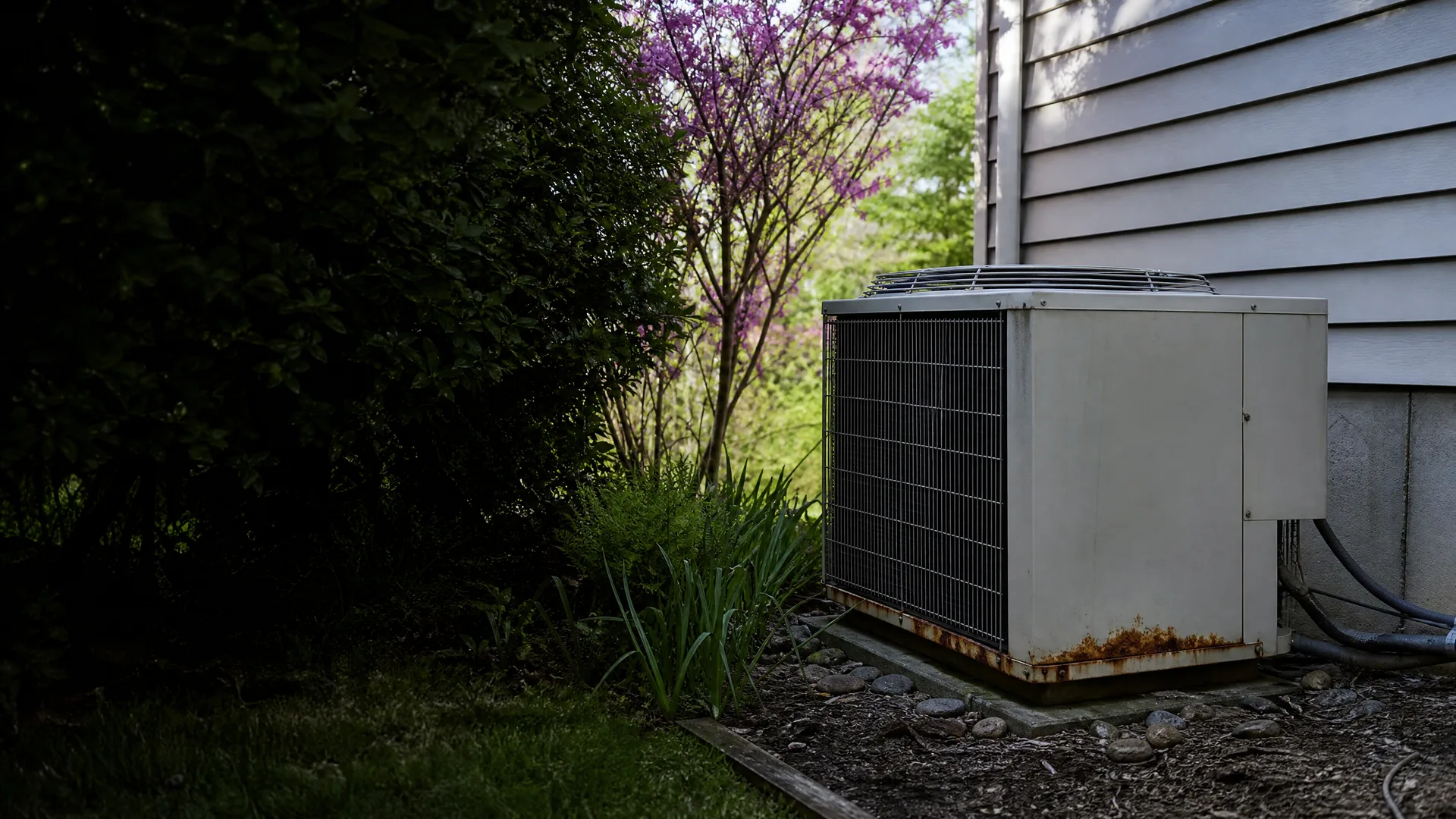
An outdoor air conditioning condenser unit with rust streaks sits on a concrete pad beside a light-colored lap-sided house, surrounded by shrubs, gravel and a flowering tree.

You're out checking the side yard on a mild spring afternoon, coffee in hand, when you crouch down by the outdoor unit and notice the rust creeping along its base. It's old, older than you'd like to admit, and it's never had anything backing it up on the coldest nights. You think back to January, to the one stretch of nights that dropped hard, and how the house still held warm. You run a hand along the rusted edge and wonder how many more winters this one has in it before it starts losing ground on those nights instead of keeping up.

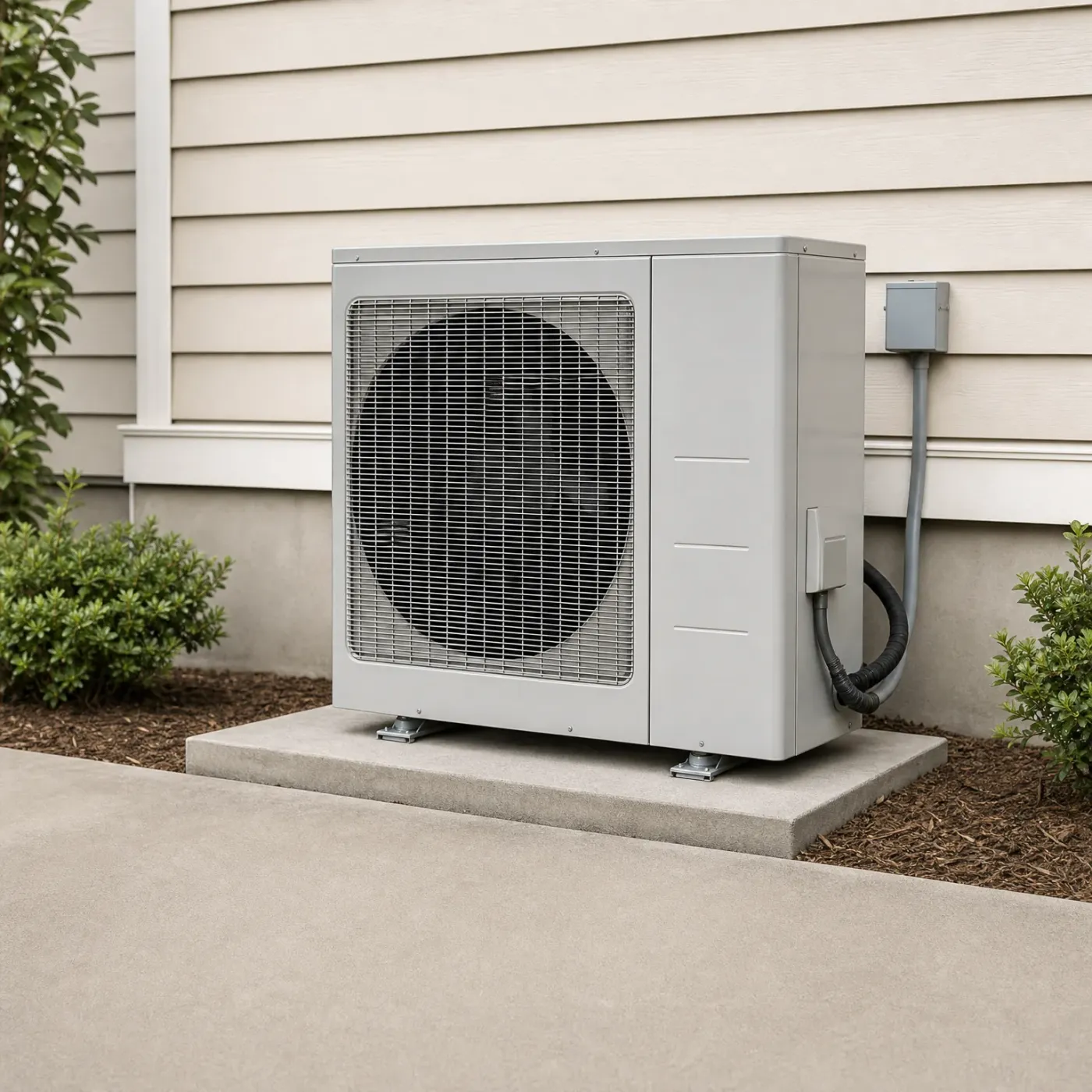
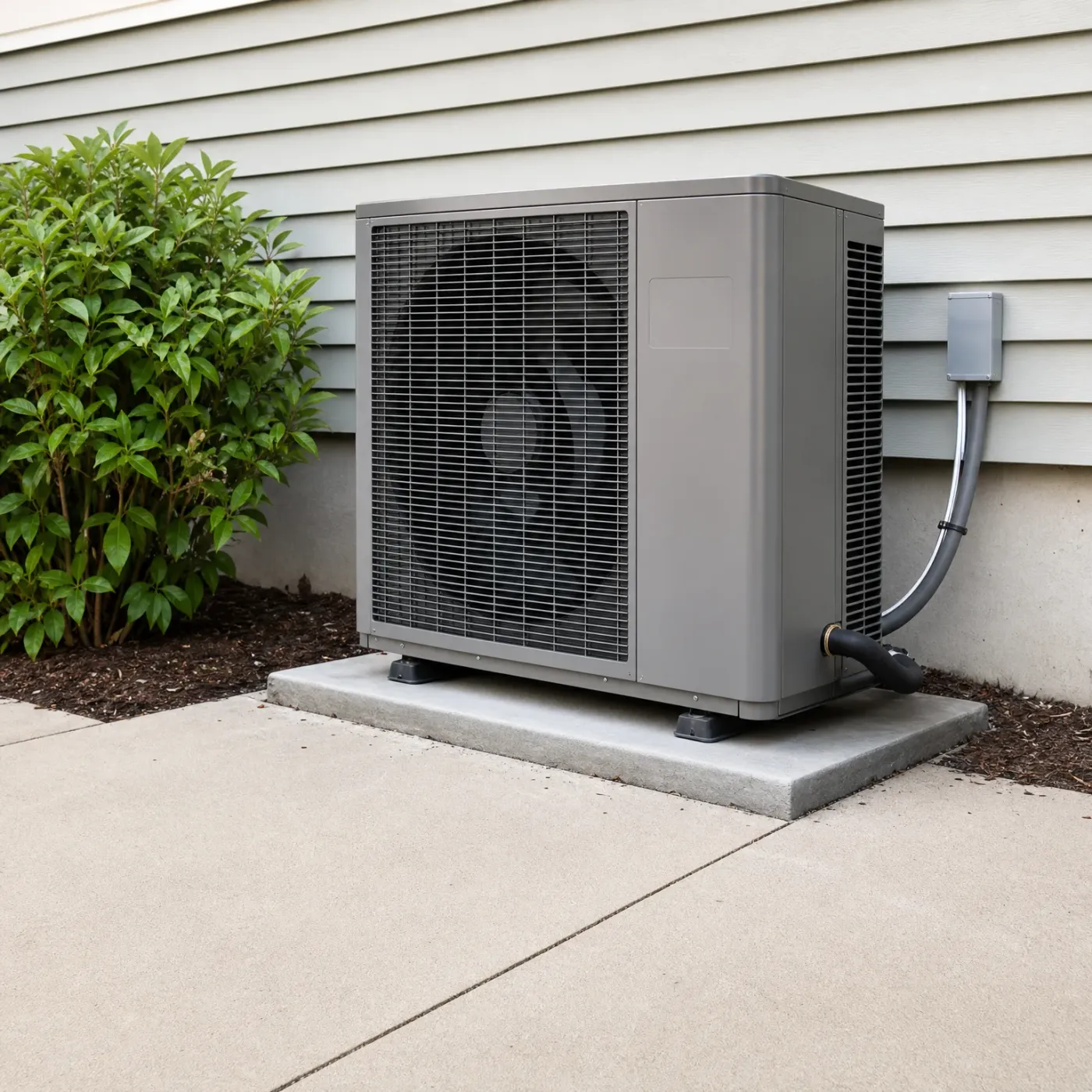
A gray outdoor heat pump unit on a concrete pad beside a house with horizontal lap siding, connected by conduit and a flexible line to a wall-mounted disconnect box, with low shrubs and mulch nearby.
A heat pump sized right for your home keeps up through a Texas winter without help, cycling on as needed and nothing more.
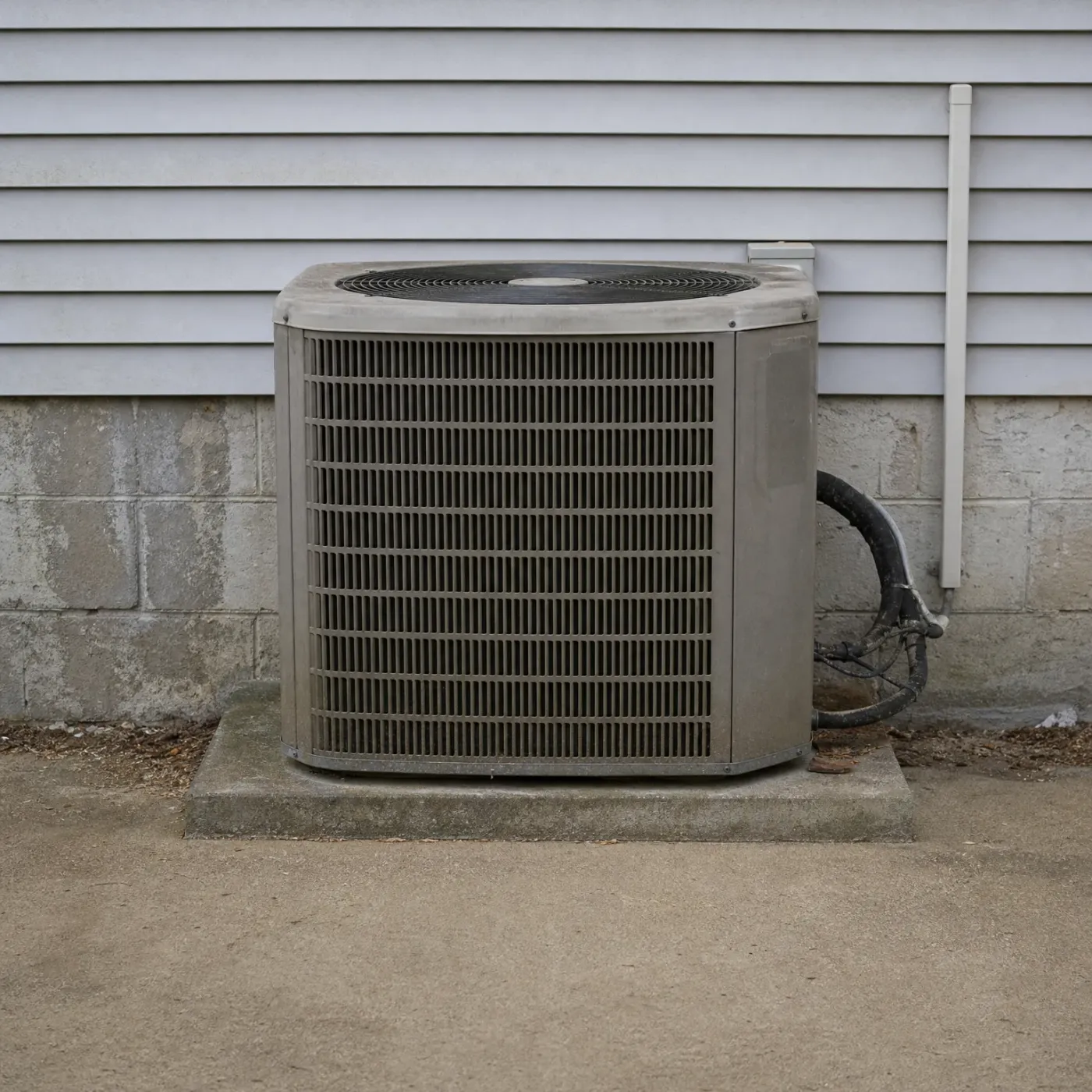
An outdoor air conditioner condenser unit on a concrete pad beside a house with horizontal siding above a concrete block foundation, with insulated refrigerant lines and a vertical white pipe on the wall.
A unit this worn is losing capacity it can't spare, and without backup heat, a hard freeze can leave you cold while parts are sourced.

A heat pump doesn't burn anything to make heat. It pulls warmth out of the air outside, even on a cold day, and moves it into your house through the same refrigerant line that cools things in summer. A part called the reversing valve is what flips the system between those two jobs. The colder it gets outside, the less heat there is for the unit to grab, so it has to work harder to deliver the same warmth. That's why sizing matters. A contractor sizing your system weighs it against the cold Texas normally sees, not a once-in-a-decade freeze. Frost is part of the normal picture too. When it builds up on the outdoor coil, the system pauses to run a short defrost cycle, and while that happens, a small electric heat strip kicks in so the air coming through your vents doesn't go cold. That strip is the same kind of heat some homes run on full time. In a properly sized system, it's a backup for a few minutes, not the main event.

How a heat pump keeps you warm

  • A heat pump moves heat instead of making it, pulling warmth out of outside air even when that air feels cold to you.
  • As the outside temperature drops, the refrigerant has less heat to grab, so the unit's output falls off even though it keeps running.
  • Most contractors size a heat pump for your home against the coldest temperatures Texas typically sees, not against a rare hard freeze.
  • Inside the outdoor unit, a reversing valve is what switches the system between cooling your house in summer and heating it in winter.
  • When frost builds on the outdoor coil, the system runs a defrost cycle and leans on a small heat strip for a few minutes to keep warm air moving.
  • That heat strip is electric resistance heat, the same kind of backup some homes rely on full time if the heat pump alone can't keep up.
A smiling woman with dark shoulder-length hair in a cream V-neck sweater sits at a marble counter with a glass of red wine, with a kitchen and softly lit living room behind her.
A woman in a dark green sweater laughs while seated at a marble kitchen island with a glass of red wine, with open shelving, cabinets and a living room visible behind her.
A woman with long dark hair in a cream knit sweater laughs while looking off to the side, seated at a counter with a glass of red wine, in a dimly lit living room with a sofa, lamp, framed pictures and houseplant behind her.
A smiling woman with long dark hair in a beige sweater sits at a marble kitchen counter with a glass of red wine, with a dimly lit living room behind her.

A heat pump's capacity is rated at a specific outdoor temperature, usually 47 degrees. Below that, output drops in a way the spec sheet shows in numbers, not guesses.

A unit sized against the coldest nights Texas actually sees still has capacity left at that point. That margin is what lets it run without backup.

A smiling bearded man in a navy crewneck sweater sits at a dinner table with a glass of red wine, plates and glasses in the foreground, in a dimly lit room with a lamp and framed picture behind him.
A woman in a dark gray sweater reclines on a light sofa with eyes closed and a slight smile, under a textured gray blanket with an open book resting on her lap, with a lit table lamp and plant in the background.

Skip calling around

If you're weighing whether to add backup heat or replace a unit that's falling short, the sizing work matters more than the brand. That means pulling a load calculation for your house, checking what your current heat pump can still put out, and matching any backup to what the rest of the system actually needs. Most people don't want to call around for that. You'd be explaining the same thing to three or four companies, waiting on quotes, trying to tell whether one contractor's numbers make more sense than another's. A local contractor who works on heat pumps all year in Texas has seen what tends to fail here and what sizing mistakes show up again and again in this climate. Submitting this goes to one contractor, not a handful competing for the job, so you're not fielding five calls to get one answer about whether your system needs backup heat at all.

When no backup makes sense

If your heat pump was sized for your house and the equipment is in good shape, it can carry you through a Texas winter on its own. It draws on more power as the air gets colder, but it keeps up because the sizing already accounts for the coldest nights you'll see here. You won't notice anything beyond longer run times on the hardest mornings. Adding backup heat in this case means paying for equipment that sits unused most years, wiring or ductwork to support it, and something else that can eventually fail. For a unit that's holding up and matched to your house, backup heat solves a problem you don't have.
When backup heat earns its keep

If your heat pump is undersized, aging, or losing capacity, a hard freeze can outrun what it can put out, and backup heat is what keeps the house warm while that gets sorted. It also covers you if the unit goes down entirely. You're not replacing the heat pump's job, you're covering the gap when it can't do that job alone. Finding out which case you're in takes a load calculation against your house and an honest look at what the unit can still deliver, not a guess based on the thermostat setting or how old the system looks from outside.

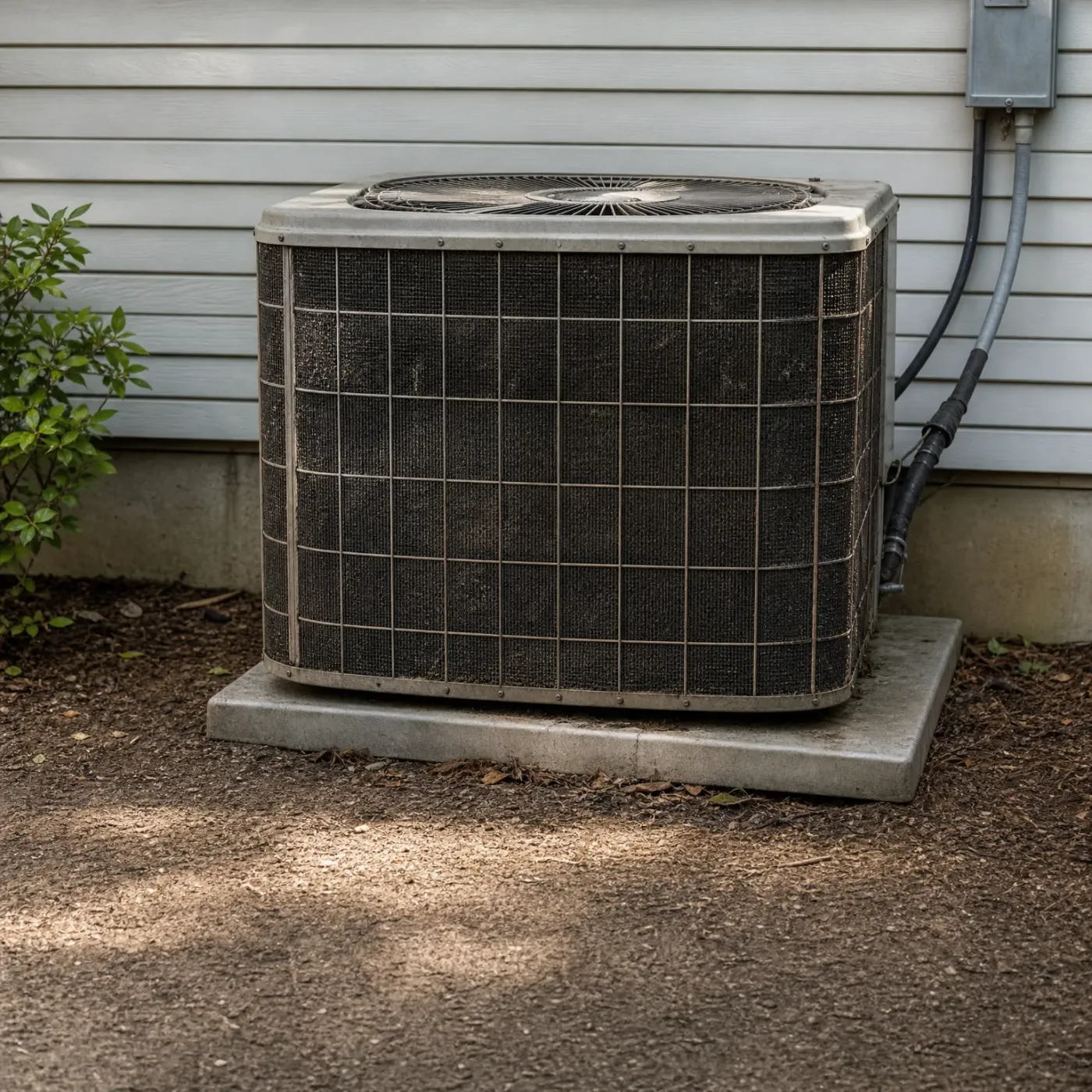
An outdoor air conditioning condenser unit with dusty coils sits on a concrete pad against light horizontal siding, with an electrical disconnect box and refrigerant lines on the wall and a shrub and mulch at left.
Before you get your heat pump installation
A gray outdoor heat pump unit on a concrete pad beside a house with horizontal lap siding, with a conduit running to a wall-mounted disconnect box and a green shrub to the left.
After you get your heat pump installation
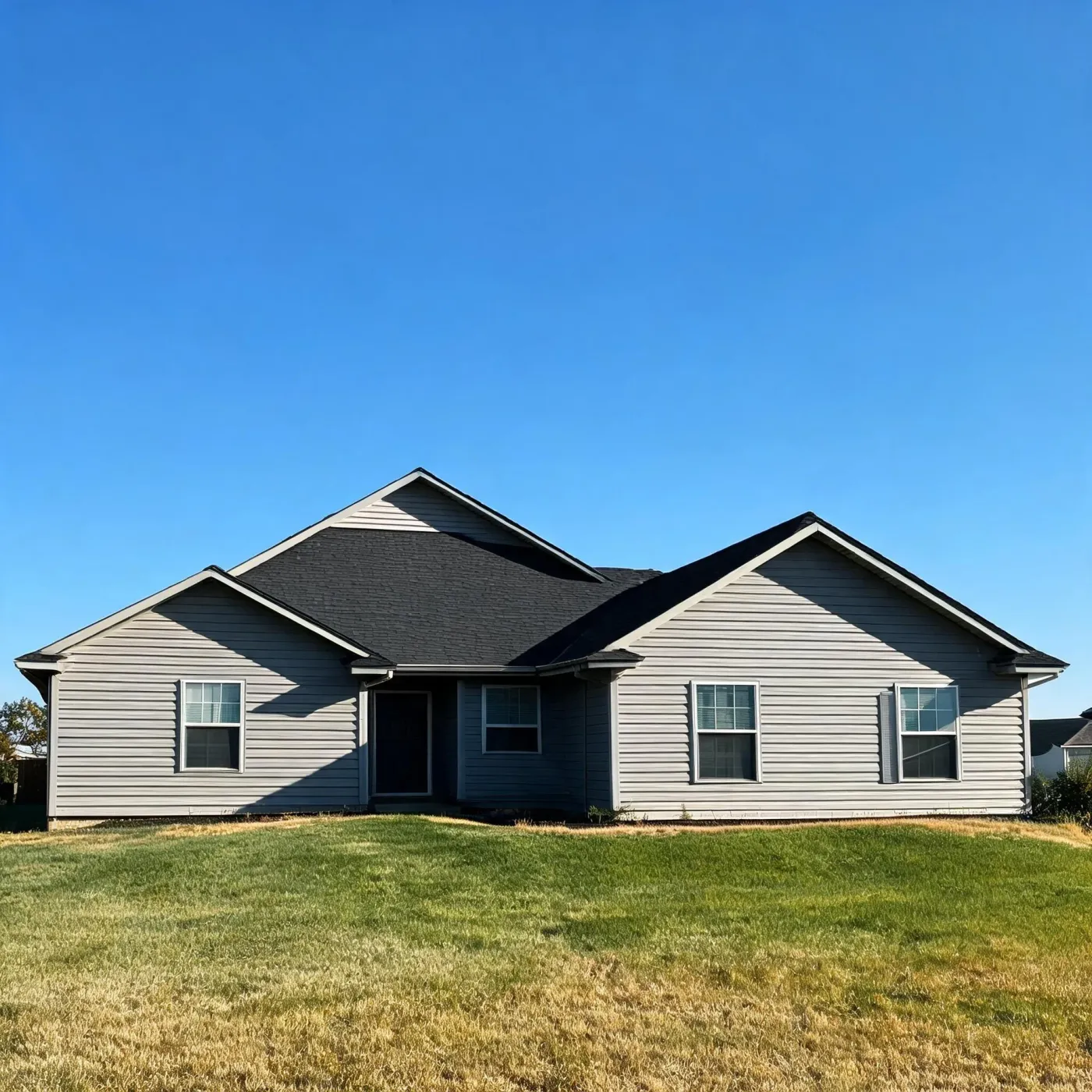
A single-story house with gray vinyl siding, dark shingled gable roofs, and white-trimmed windows, set behind a partly dry green lawn under a clear blue sky.

That dew point is what makes a Texas summer feel heavier than the thermometer lets on, and it's the reason your heat pump's work doesn't stop once the house is cool. In summer here, the dew point averages 68°F, according to NOAA climate normals for Texas. Your heat pump has to pull that moisture out of the air as it cools, not just drop the temperature, and that's a steady load on the system through June, July and August. If the unit is sized right, you'll notice the house feels dry and even. If it's not, you'll feel it as a clammy house even when the air feels cool enough.

NASA POWER T2MDEW county cells weighted by homes

Backup Heat: Weighing Your Options

No backup heat

  • If your heat pump was sized correctly for your house, it covers the coldest nights Texas sees without extra equipment running alongside it.
  • There's less to install and less wiring to run, since the system relies on one heat source instead of two.
  • A correctly sized system still draws more power as the outside temperature drops, so your bill moves with the weather even without backup heat.
  • If the unit ages or loses capacity over the years, you lose the cushion that backup heat would have given you on the coldest nights.
  • There's no second heat source to fall back on if the compressor or a part fails during a cold snap.

With backup heat

  • Most homes here heat with electricity, so backup heat usually means electric resistance strips built into the air handler rather than a separate furnace.
  • The strips only kick in when the heat pump alone can't keep up, so on an average winter night they may not run at all.
  • Electric resistance heat costs more to run per hour than the heat pump itself, because it makes heat directly instead of moving it.
  • It adds protection if the heat pump is undersized for your house or if parts wear down faster than expected.
  • It adds another component for a contractor to wire in and set up during installation, and another part that can eventually need service.
  1. A contractor pulls a room by room load calculation for your house.

  2. The contractor checks your heat pump's rated output at low outdoor temperatures.

  3. The contractor compares that output against the coldest nights your area sees.

  4. The contractor sizes any backup heat only to cover what's left uncovered.

Power costs 15.40 cents per kilowatt-hour statewide

A heat pump run on electricity alone leans harder on that rate on your coldest nights, since it draws more power as the air gets colder. At 15.40 cents a kilowatt-hour, a unit sized right for your house still costs less to run than one working past its limit with backup heat kicking in behind it.

EIA-861 2025 statewide residential average

A closed laptop and a cream mug of coffee on a coaster sit on a dark wooden table, with a potted plant at left and a kitchen counter, tiled backsplash and shelf of ceramics in the background.

So, do you need backup heat?

Most Texas homes don't, as long as the heat pump is sized for the house it's heating. That sizing is the whole question. A unit matched to your square footage and your coldest nights will carry you through winter on its own. One that's undersized, aging, or was never checked against a load calculation is a different situation, and that's where backup heat earns its keep.

You don't have to figure out which one describes your house by yourself. That means not spending an evening searching for contractors who work on heat pumps, not calling three companies to ask if they even do this kind of installation, not explaining your setup over and over to whoever picks up. A local contractor who installs these systems every winter can look at your equipment, run the numbers, and tell you straight whether you're covered or not.

A living room corner with a light beige sofa holding a textured taupe cushion, a large ceramic vase of olive branches by a window, a framed neutral artwork on the wall, and a dark bowl with stacked books in the foreground.
An outdoor air conditioning or heat pump condenser unit sits on a concrete pad surrounded by gravel beside a dark horizontal-sided house, with grass and shrubs nearby.

Describe it once

Your request stays with one local pro.

Step 1 of 3: Equipment